
Building a professional photography kit can feel intimidating, especially when many cameras, lenses, and accessories come with high price tags. However, creating a capable photography setup does not always require purchasing the most expensive equipment available. With careful planning and smart purchasing decisions, photographers can assemble a reliable kit that delivers professional results while staying within a reasonable budget.
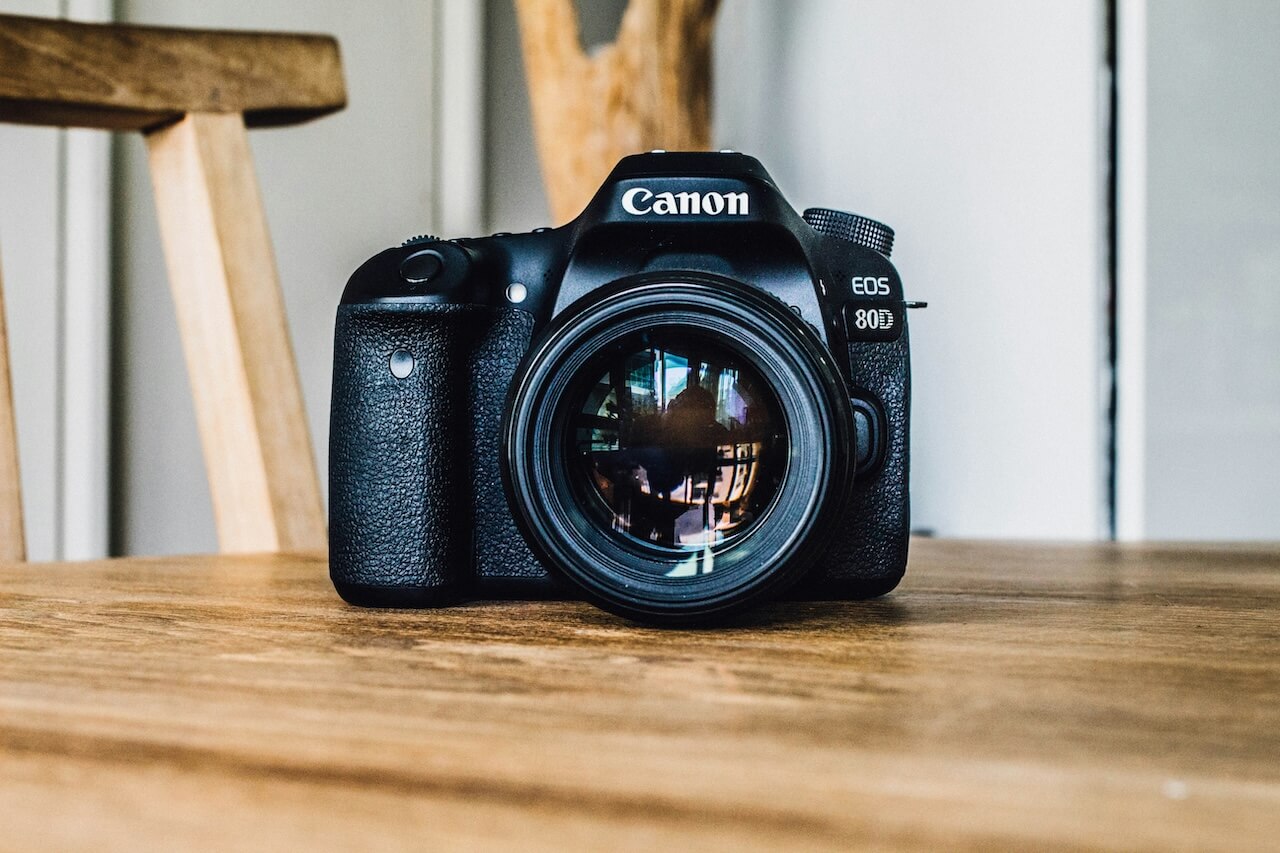
One of the first steps in building a photography kit on a budget is focusing on the essentials. Instead of trying to buy every piece of equipment at once, photographers should start with the core tools needed to capture strong images. A dependable camera body is usually the foundation of any kit. Modern mirrorless and DSLR cameras offer excellent image quality, even in entry level models. Choosing a camera that provides manual controls, interchangeable lenses, and good low light performance can give photographers the flexibility they need without overspending.
Lenses often have a greater impact on image quality than the camera body itself, which makes them an important investment. Instead of buying multiple lenses immediately, many photographers start with one versatile lens that can handle a wide range of situations. A standard zoom lens can cover common focal lengths for portraits, events, and everyday photography. Another popular budget friendly option is a prime lens with a wide aperture, which can provide sharp images and strong background blur for portrait work.
Utilizing used camera marketplaces can be one of the most effective ways to build a professional kit while controlling costs. Pre owned cameras and lenses often provide the same performance as new equipment but at a lower price. Many reputable retailers inspect used gear and provide condition ratings along with a warranty, helping photographers understand exactly what they are purchasing and reducing the risk of purchasing used. This allows buyers to access higher quality equipment that may otherwise be outside their budget.
Another helpful strategy is prioritizing equipment that expands creative possibilities. For example, a tripod can significantly improve image sharpness in low light conditions or when shooting long exposures. Tripods are also useful for landscape photography, self portraits, and time lapse projects. A stable support system may not be the most exciting piece of gear, but it can greatly improve the consistency of your images.
Lighting tools are another valuable addition to a budget friendly photography kit. While natural light can produce beautiful images, an external flash or small lighting setup can provide additional control in darker environments. Simple accessories such as reflectors can also help photographers shape light and soften shadows without requiring expensive equipment. Learning how to use lighting effectively can elevate image quality even when working with basic gear.
Accessories can also play an important role in building a practical photography kit. Extra batteries ensure that photographers can continue shooting throughout long sessions or events. High capacity and fast memory cards provide enough storage for large photo sessions along with the speed to process high resolution images, while camera bags help protect equipment during travel. These smaller items may seem simple, but they contribute to a smoother shooting experience.
Photographers working on a budget can also benefit from upgrading their gear gradually over time. Instead of replacing everything at once, it can be helpful to evaluate which tools will have the greatest impact on your photography. For example, upgrading to a higher quality lens may produce more noticeable improvements than upgrading the camera body itself. Taking a gradual approach allows photographers to build a well balanced kit while spreading out costs.
It is also important to remember that creativity and skill often matter more than equipment alone. Many photographers produce impressive work using relatively simple gear because they understand lighting, composition, and storytelling. Developing these skills can help photographers maximize the equipment they already own. If you have a camera store in your area, see if they offer photography classes and events to help elevate your skillsets.
Building a professional photography kit does not require unlimited resources. By focusing on essential gear, exploring used equipment options, and upgrading gradually, photographers can create a capable setup that supports their creative goals. With thoughtful planning and a commitment to developing their craft, photographers can achieve professional results while staying within a realistic budget.