Searching for a new job has never been more accessible, but that convenience also comes with new risks. Fraudulent job postings have become increasingly common, targeting applicants who are actively looking for better opportunities. Women navigating career changes, returning to work, or seeking flexible or remote roles are often prime targets. Scammers know that job seekers are eager, hopeful, and pressed for time, which makes awareness especially important.
Fake job postings are no longer obvious. Many now closely resemble real opportunities, borrowing company names, copying legitimate job descriptions, and presenting polished messaging that feels authentic. Understanding how these scams operate can help you protect yourself and keep your job search focused on real possibilities.
Common Warning Signs to Watch For
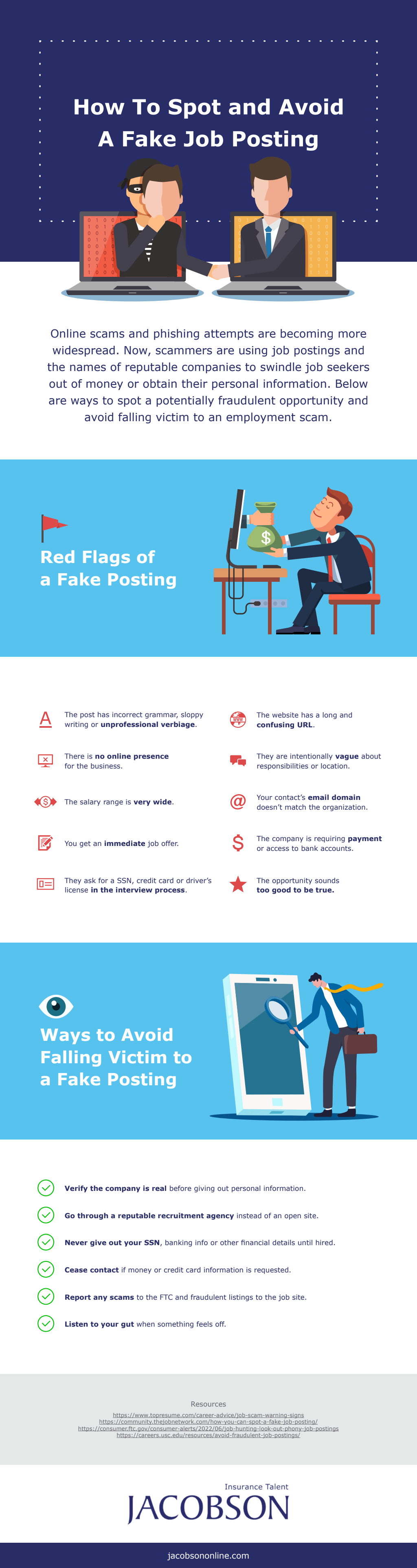
Some fraudulent listings reveal themselves through small but telling details. Job descriptions that are overly vague or generic may be designed to appeal to as many applicants as possible without committing to real responsibilities. Be cautious of roles that promise high pay with minimal experience or that offer a position immediately without interviews or meaningful screening.
Communication style also matters. Messages filled with spelling errors, inconsistent formatting, or an unprofessional tone should raise questions. Pay close attention to email addresses and links. Recruiters contacting you from free email services or slightly altered company domains are often not who they claim to be.
One of the strongest indicators of a scam is a request for personal or financial information early in the process. Legitimate employers do not ask for Social Security numbers, banking details, or copies of identification before an official offer has been made and accepted.
Practical Ways to Protect Yourself
Taking time to research each opportunity can save you from costly mistakes. Look for a verified company website, active social media profiles, and employee reviews on reputable platforms. A quick online search can often confirm whether a business is real or raise additional concerns.
Whenever possible, apply through trusted job boards or directly on a company’s official careers page. If you are working with a recruiter, make sure they are affiliated with a reputable agency and can clearly explain their relationship with the employer.
Listening to your instincts is also important. If an interaction feels rushed, uncomfortable, or inconsistent, it is okay to step away. Walking away from a questionable opportunity is far better than continuing out of politeness or pressure.
Extra Caution With Remote Opportunities
Remote roles offer flexibility that many women value, especially when balancing caregiving, education, or other responsibilities. Unfortunately, these roles are also commonly used in scams. Be deliberate with applications and avoid mass applying without reviewing each listing carefully.
Virtual interviews can provide insight into a company’s legitimacy. Pay attention to how clearly they communicate, whether they answer questions directly, and how transparent they are about next steps. A professional employer will welcome thoughtful questions and provide clear timelines.
A More Confident Job Search
Looking for work can feel stressful and vulnerable, particularly during times of transition. Staying informed helps you protect not just your personal information, but also your energy and confidence. By recognizing red flags and taking a careful, intentional approach, you can focus on real opportunities that align with your goals and move forward with greater peace of mind.
Because the right job is worth the wait, and your safety should never be negotiable. For more on this, check out the infographic below from The Jacobson Group, professional insurance recruiters.