
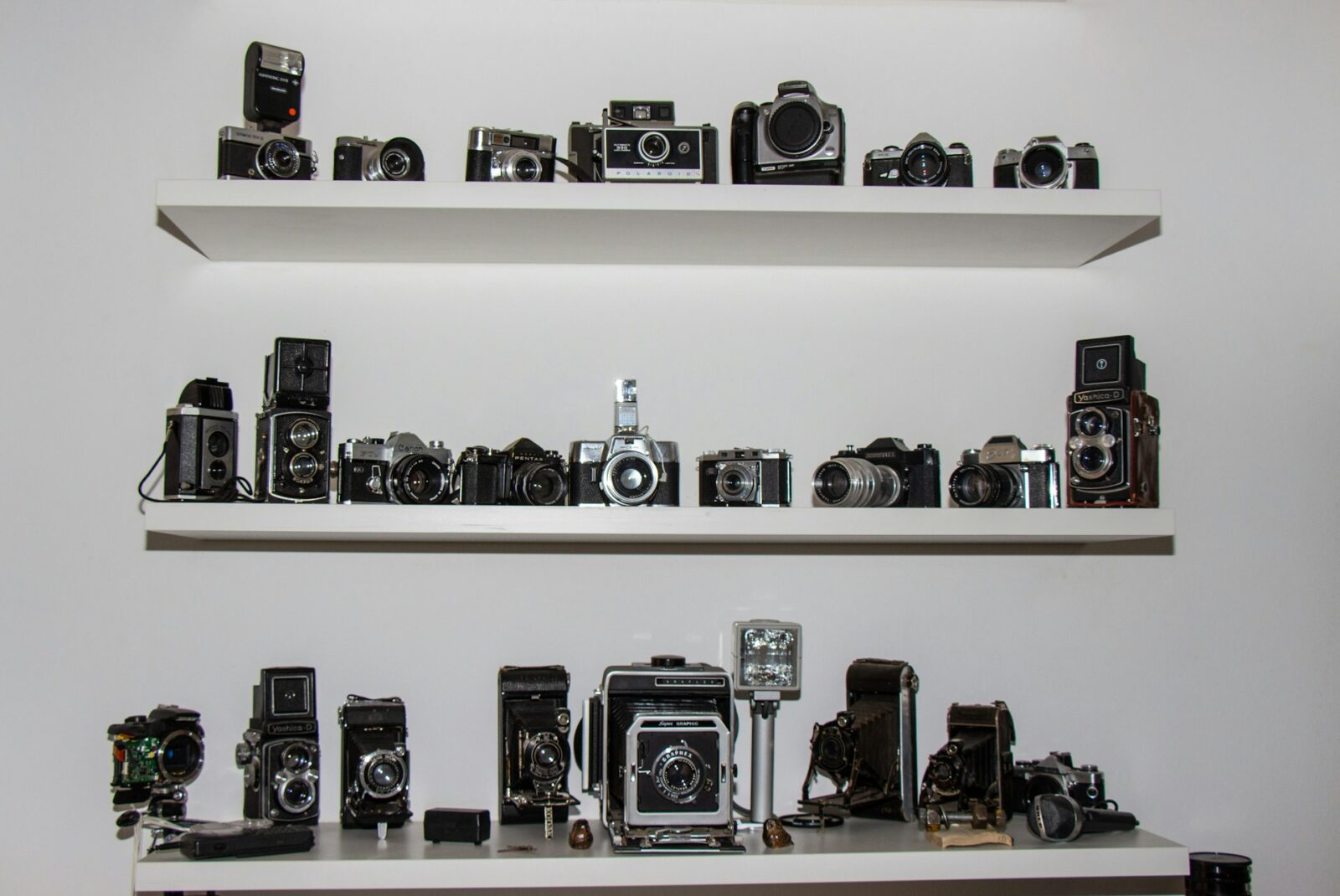
Collectibles are rarely just objects. From signed photographs and rare cards to vintage apparel and film props, these items carry meaning that goes beyond material value. They reflect moments in history, personal connections, and shared cultural memories. What makes them truly valuable is not simply their appearance or scarcity, but the story and authenticity behind them.
Why Authenticity Makes the Difference
Not every piece of memorabilia holds lasting significance. A casual keepsake may spark a memory, but a verified collectible connected to a meaningful moment offers something deeper. The difference often lies in proof and preservation.
An autographed photo, for example, gains real importance when its origin is documented. Knowing who signed it, when it was signed, and under what circumstances transforms the item into a preserved piece of history. Authentication and provenance provide confidence, allowing collectors to trust that the item is genuine and responsibly sourced.
Well-regarded collectibles are carefully validated and maintained with intention. They are not impulse purchases. They are selected and preserved with an understanding of their cultural and emotional weight.
What Inspires Collectors
Collectors tend to value research as much as discovery. Many approach collecting with curiosity, patience, and attention to detail, looking for items with a clear background and a meaningful journey. Provenance often becomes the deciding factor that elevates an item from interesting to exceptional.
Emotional connection also plays a major role. People are drawn to items that reflect their interests, experiences, or identity. This personal motivation often outweighs financial considerations and can influence long-term market demand. Passion, rather than profit, is frequently what shapes the most enduring collections.
Making Smart Choices in a Digital Marketplace
As online platforms make rare items more accessible, they also increase the need for careful evaluation. With so many transactions happening digitally, collectors must rely on trustworthy sellers, autograph stores, expert opinions, and transparent documentation.
New collectors often benefit from starting slowly and learning how to identify reliable sources. Experienced collectors tend to build long-term relationships with reputable dealers and authentication services. No matter the level of experience, one principle remains constant: authenticity protects both value and trust.
Collecting as Preservation
At its core, collecting is an act of preservation. It protects stories, craftsmanship, and moments that might otherwise fade with time. Market values may rise or fall, but the cultural and emotional importance of a thoughtfully chosen collectible remains.
The strongest collections are not defined by size or cost. They are defined by intention, care, and the meaningful stories each piece represents.
